
Not every government program is wrapped in red tape and buried under fine print. The Recovery Rebate Credit (RRC) is one of the rare exceptions—a straightforward, no-nonsense way to put money back into your pocket. It’s designed to soften financial hardships, bolster household stability, and, frankly, make life a little easier.
Yet, despite its clear-cut benefits, millions of Americans have missed out on what’s rightfully theirs. The cash is there—waiting. But will you claim it?
The Recovery Rebate Credit: Your Money, No Bureaucratic Hoops
Some government programs test your patience before they even pay you a dime. Not this one. The Recovery Rebate Credit is refreshingly simple—if you were eligible but didn’t get your full stimulus in 2020 or 2021, you can claim the missing amount on your next tax return.
No lengthy applications. No frustrating back-and-forths. Just money that’s been earmarked for you, waiting to be claimed.
It works in two ways:
👉 If you’re owed a refund – The credit increases it, meaning you walk away with more money in your hands.
👉 If you owe taxes – The credit offsets your tax bill, sometimes zeroing it out entirely.
But here’s where things get tricky: many people have no idea they qualify. They assume they received the full amount, never realizing that a simple clerical error, an address change, or a shift in their tax filing status could have shorted them hundreds—if not thousands—of dollars.
A Walk Through History: Stimulus Checks Before They Were Cool
If you think pandemic stimulus checks were unprecedented, think again. The Recovery Rebate Credit isn’t just a one-off handout—it’s the latest iteration of a long-standing strategy the U.S. government has used to inject money into the economy during turbulent times.
2001 – The Economic Growth and Tax Relief Reconciliation Act put rebate checks directly into taxpayers’ hands, hoping to ignite consumer spending.
2008 – Amid the Great Recession, the Economic Stimulus Act rolled out payments to soften financial freefall and stabilize households.
2020-2021 – The CARES Act and its successors launched three rounds of stimulus checks, totaling a staggering $814 billion across 476 million payments.
Despite the scope of these programs, millions of people were left behind—either partially paid, underpaid, or outright forgotten. If that sounds familiar, you’re not alone.
Missed a Stimulus Payment? Fix It Before It’s Too Late
If your stimulus check never arrived—or was alarmingly smaller than expected—you still have time to claim what’s yours. But first, let’s figure out what went wrong.
Common Reasons for Missing Payments:
❌ Your marital status changed – Divorce, marriage, or a filing shift can create unexpected payment discrepancies.
❌ You added a dependent – Had a baby? Started supporting an elderly parent? The IRS may have overlooked your expanded household.
❌ The IRS had outdated information – If your address or bank details changed, your payment might have vanished into the void.
❌ You were incorrectly claimed as a dependent – If someone mistakenly listed you on their return, your stimulus could have gone to them instead.
The Fix:
✅ Claim the Recovery Rebate Credit on your next tax return. The IRS provides a simple worksheet to determine how much you’re still owed.
⏳ But act fast. This isn’t an indefinite offer. Once the eligibility window closes, that money is gone for good.
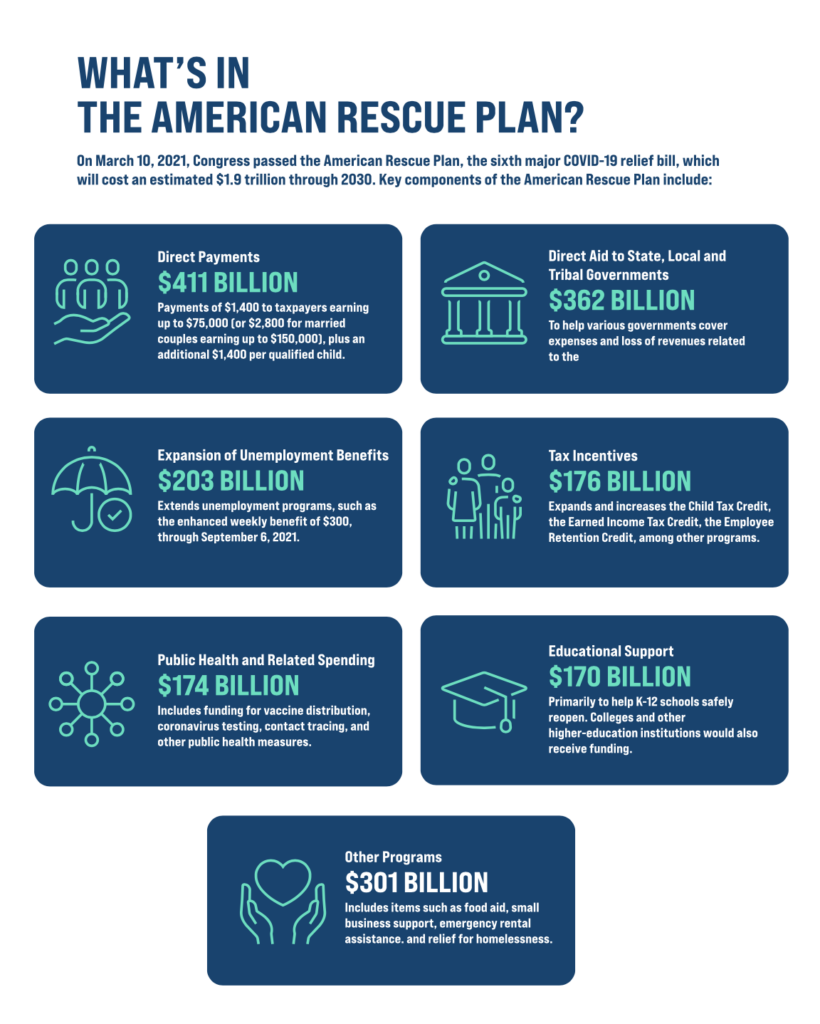
How Much Cash Are We Talking About?
If you qualify, the Recovery Rebate Credit isn’t pocket change—it’s serious money.
$1,400 per individual (single filers).
$2,800 per married couple (filing jointly).
$1,400 per dependent, including adult dependents—which previous stimulus rounds overlooked.
But high-income earners? Not so fast. The payment phases out as incomes rise:
Single filers – Full payment below $75,000; phased out at $80,000.
Married filing jointly – Full payment below $150,000; disappears by $160,000.
Head of household – Full payment below $112,500; vanishes at $120,000.
If your income exceeds these limits, your payment dwindles, then disappears entirely.
What About Recovery Rebate Credit for Social Security Recipients?
Think government benefits disqualify you? Think again.
Social Security, SSI, and VA beneficiaries all qualify.
The IRS automatically issued payments, but errors meant some were overlooked.
The credit doesn’t affect benefits, meaning it won’t reduce Social Security, Medicaid, or SNAP eligibility.
If you’re a Social Security recipient who never received a stimulus check, check your tax records now—you may have unclaimed money waiting.
Beyond Direct Payments: How the Government Is Supporting Communities
There’s more to the American Rescue Plan Act than just stimulus payments. The State and Local Fiscal Recovery Funds (SLFRF) funneled $350 billion into communities nationwide to help businesses, workers, and public services bounce back from the pandemic’s financial wreckage.
Where’s that money going?
🏢 Small business relief – Grants and forgivable loans to keep Main Street alive.
🏥 Public health funding – Resources to bolster healthcare infrastructure.
🔧 Infrastructure improvements – Broadband expansion, transportation fixes, and modernization efforts.
📊 Workforce development – Training programs for displaced workers.
More than 30,000 local governments are allocating these funds—but how they’re used depends on public demand and local decision-making. Pay attention. Speak up. Your community’s future may depend on it.
The Recovery Rebate Credit isn’t a loophole or a complicated government trick—it’s money set aside for you.
Key Takeaways:
Missed your stimulus? You can still claim it.
Eligibility depends on income, dependents, and filing status.
Social Security recipients qualify—without benefit reductions.
State and local governments are still distributing relief funds.